
INTRODUCTION
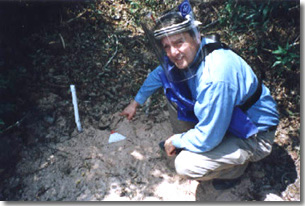 We do global environmental consulting, stressing “solutions”. We provide consulting for communities, cities, states, governments, corporations for environmental planning, resolution, and how to find solutions for your situation. In some cases, planning, policies, and consulting by an independent consulting company provides advice and can help you to avoid problems for years in the future.
- Our team has experience in many nations. International orientation. We will go anywhere on earth for you.
- We have experience with cities, states, governments, in helping them deal with strategic environmental planning and policies. We understand political issues and the challenges needed for regulatory and practical problem solving of environmental issues.
- We have experience in inspections, evaluations, and preparing detailed environmental evaluations. We include an exploration geologist and petrolium engineer in our associate credentials.
- Environmental Solutions can help remediate your environmental problems, or give you detailed instructions of how to solve problems efficiently.
- Environmental consulting, planning and policy formulation
- Asbestos inspections: RAPID RESPONSE ON ASBESTOS
- Mold inspections: WE CAN DO EMERGENCY MOLD REMOVAL AS RESULT OF STORMS OR FLOODING.
- Phase I, II and III
- Industrial and Municipal Evaluation
- Oil and Gas drilling and operating
We not only do: Phase I, 2 and 3 Reports (7 day turn-around), but we do environmental feasibility, environmental impacts upon value, and ENVIRONMENTAL ASSESSMENTS and NEPA studies for large projects needing state and federal funding for Prisons, Hospitals, Highway impacts, Commercial and Community projects. We also are interested in is helping create development of Desalination plants for municipal and agricultural use where water is short yet there is an underground ocean of saline or salt water.
In 2014 We did Environmental Developments in N. Dakota, Industrial Buildings Environment in New Hampshire, Environmental Study on retail centers in New Mexico, and Env Phase 1 & 2 on radio and radioactive properties in Texas.
N.E.P.A. REPORTS
We are experienced in conducting environmental impact studies that comply with N.E.P.A.
N.E.P.A. means the (NATIONAL ENVIRONMENTAL PROTECTION ACT). In that act, any federal project, or agency that contracts for work, must first comply with N.E.P.A.
We conduct full NEPA complying ENVIRONMENTAL ASSESSMENT / ENVIRONMENTAL IMPACT studies.
We have experience in major projects throughout the country in NEPA compliance, and will provide full service to make those needing quick, efficient, and cost effective N.E.P.A. compliance.
In recent years our firm has completed more N.E.P.A. reports for Federal Prisons than any firm in the U.S.A.
If you are dealing with the Federal Government, we can make it easy for you, and the Federal Government agency involved, making N.E.P.A. compliance issues manageable.